
Weeds
Weeds are unwanted plants where they occur. Weed species can propagate and rapidly invade areas containing desirable species, such as crop fields, gardens, landscapes, and natural areas.

The same plant species can be desirable in some situations and undesirable in others. Thus, undesirability is specific to the situation and the subjective judgment of the observer. The seriousness of a weed may represent its undesirability as well as its frequency and potential speed of increase.
Weed biology
Rapid growth and large numbers of propagules (e.g., seeds) are often associated with weeds. So, the biological concept of weediness tends to be associated with first-stage successor plants (“pioneers”), as the weediest. These are often herbaceous annual (one-year lifecycle) or short-lived biennial species. Most ecosystems have a group of plant species called “ruderal,” often of unknown origin, which may migrate with people and establish in areas disturbed by people. Ruderal species have been considered native to many areas, which is questionable.
Weed effects
The yield of farm crops that produce a measurable product, such as grain wheat, can suffer measurable reduction in yield, as a result of competition with specific degrees of infestation by weeds. Yield loss is thus an objective measurement of the seriousness of a weed. Weeds can also reduce the quality of a product, for example bitterness in milk caused by Helenium spp.

Invasion of natural areas by non-native species can be devastating. The concept of “invasiveness” is a measure of weediness based both on speed of colonization and on the degree of ecological harm, for example, altering natural communities and displacing native species.
Finally, weeds sometimes have extreme negative characteristics such as being poisonous, causing allergic reactions, being physically injurious, or blocking waterways. The adjective “noxious” is often used in those situations.
Cultural management of weeds
In planted crop fields and landscapes, land can be planted with desirable plants so as to form a canopy that intercepts sunlight and shades undesirable weed species, reducing their growth. Maintenance of an optimum, uniform growing environment for the desired species can reduce the spread of undesirable species, and is a form of cultural management of weeds. The three primary cultural practices of turfgrasses, mowing, fertilization, and irrigation, can be adjusted in quantity and timing to increase area covered by turfgrass and reduce weeds. See, for example, Goosegrass suppressed by turf canopy.
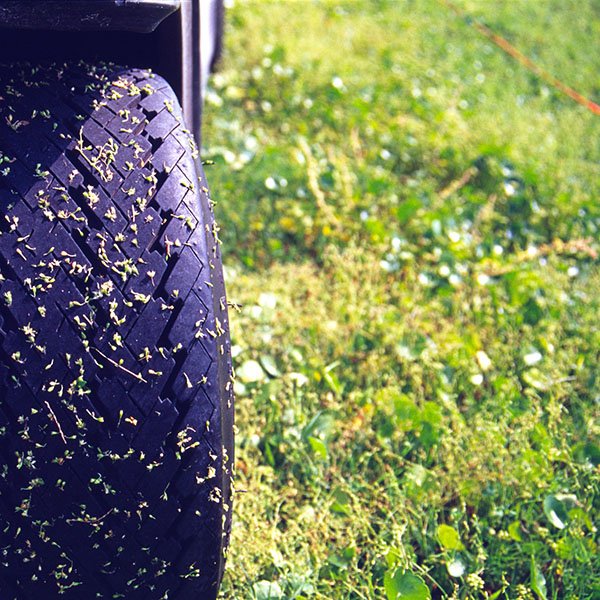
Human activities such as periodic field preparation and traffic, and natural disturbances such as storms and fire, open plant canopies and cause light gaps that foster weed seed germination and growth. So maintenance of dense canopy reduces opportunities for weed establishment in many situations.
Infection control
Weed invasion can be reduced by physical separation, e.g., increasing distance or adding barriers to protect fields from sources of seeds or other propagules. Maintenance of fence rows and surrounding areas can reduce weed invasion. Sanitary procedures involving movement of equipment and people can reduce the unintentional introduction of weeds. Some weed species such as torpedograss, Panicum repens, may not regularly reproduce by seed. Where it occurs in the landscape, torpedograss was probably brought in as rhizomes during earth digging or in the rootzone of containerized trees and shrubs. Crop seed contamination is another point of weed infection. Seed certifying agencies protect crops from contamination by weeds, including off-types of the same species, or contamination by other cultivars and other cultivated species.
Natural areas
Invasive plant species are a terrible problem in natural areas that have been long isolated, such as islands and peninsulas. Natural areas support a group or “flora” of native species that have long existed in stable equilibrium with one another and with existing herbivores including insects. When new plant species are introduced to such an area, without bringing along their “natural enemies,” this can enable aggressive advantages of the new plant introductions in competition with the native flora.
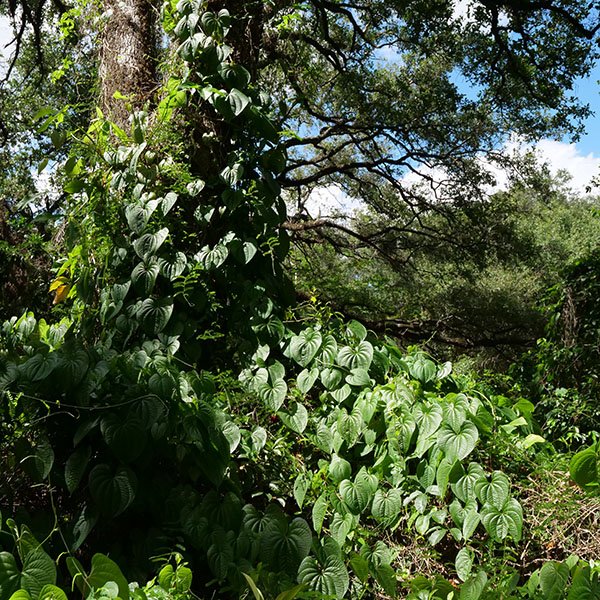
Invasive plants can reduce the diversity and ecological services of a habitat, even to the point that animals cannot eat or move around. Knowing the Florida Invasive Species Council’s 2023 List of Invasive Place Species is a good place to start. Of all the legacies of human pollution and environmental harm, the introduction of invasive species, sometimes intentionally, is among the most irreversible.
Chemical and physical weed control
Besides sanitation, weeds can be controlled by chemical and mechanical methods of removal or suppression. Physical weed control includes cutting and digging. Chemical herbicides can selectively or differentially harm certain species because of sensitive physiological systems. Selective chemical control involves careful calibration of dose, and careful identification and discernment of the most serious problem weeds. Nonselective herbicides can be used selectively, and there are hybrid methods involving mechanical and chemical procedures, such as girdling followed by directed herbicides.
Biological weed control and IPM
Weeds can also be managed by Biological Control, which involves the introduction (both periodic and first-time inoculation) of natural enemies such as herbivores and pathogens. Biological control of weeds can also involve the adjustment of environmental factors to favor herbivores and pathogens. Integrated pest management (IPM) is the use of combined methods that are sanitary, chemical, physical, biological, and cultural.
The weed triangle
A comprehensive model of how weeds become a problem, and how they can be controlled, involves three elements:
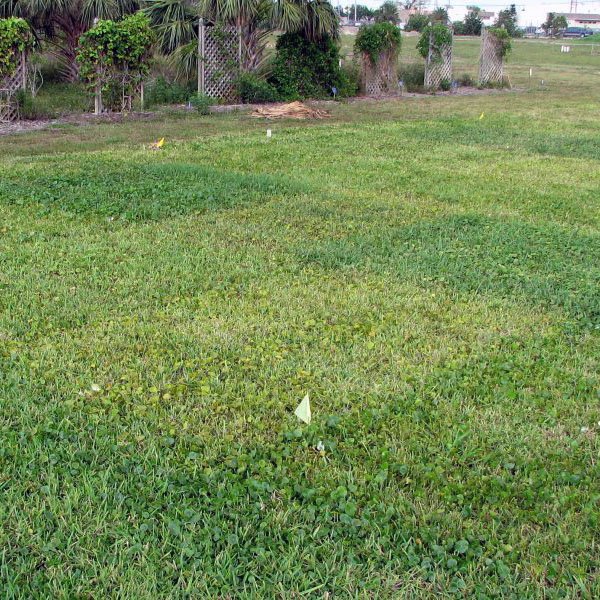
- a weed inoculum, e.g., a seed must be present, and
- the environment must be conducive to the weed’s growth, and
- the crop plant or the landscape must be vulnerable to weed establishment, for example, there must be light gaps that foster weed germination, or the crop must be weakened from other causes such as insects, diseases, or environmental stress.
The farm or landscape manager can act at several choke points to prevent or reduce weed infestation by reducing crop stress.